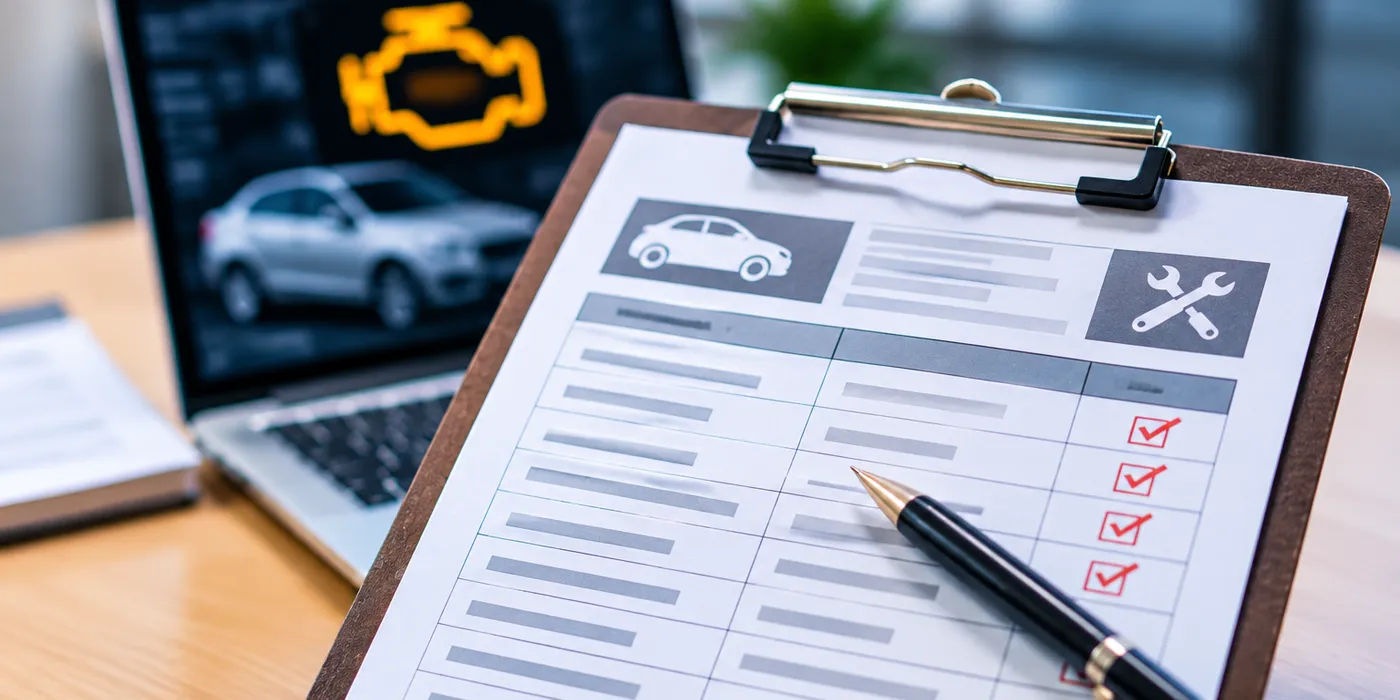
A repeat defect can become more than an annoyance when repair orders begin to show the same complaint. A warning light, transmission problem, or electrical failure may be easier to describe at first than to document later. Dates, mileage, technician notes, and the vehicle condition at each shop visit can become harder to reconstruct after time passes.
We review the repair record behind a possible lemon law buyback matter. This is worth looking at now because the sequence of repair attempts, warranty reports, and time out of service is central to the file.
Warning light and repeat repairs
We hear complaints such as a check-engine light that returns after a repair, a transmission that jerks between gears, or a vehicle that stalls without warning. Owners also report a backup camera that goes blank, a screen that freezes, or door locks that stop responding after a dealership visit.
We also review complaints about a battery drain, loss of power, brake warnings, and a vehicle that will not start. Similar symptoms can look alike from the driveway, but the repair order, technician diagnosis, and number of return visits can point to very different issues.
Case file review
We start by reading the purchase or lease agreement, repair orders, and correspondence with the dealer. We gather the dates the vehicle went into and out of the shop, the mileage at each visit, and the wording used for each reported defect.
During the first conversation, we can usually identify the vehicle, the main complaint, and the available repair history. The paperwork lets us check the reported fault against the warranty dates, repair entries, and dealer communications before we assess the buyback matter further.
Repair attempts, shop days, warranty
We look at how many times the vehicle returned for the same defect or closely related complaint. We also examine how long the vehicle was unavailable while the shop worked on the engine, transmission, electrical system, safety equipment, or another covered component.
Written repair orders matter because they show what the owner reported and what the dealer recorded. We check whether the complaint was reported while the warranty was active, whether the vehicle was bought or leased, and whether repair records are held by the owner, dealer, or manufacturer.
A single visit may have a different record than repeated visits for the same warning light or operating problem. We use the actual shop documents and vehicle history to assess how clearly the issue is documented.
Repair orders and VIN
We ask owners to have the repair orders nearby, including the complaint line, technician notes, dates, and mileage shown on each page. These documents are often in a service folder, dealership email, text message, or online service portal.
We also check the VIN on the dashboard or registration against the purchase or lease agreement. The agreement can show whether the vehicle was purchased or leased and may include delivery records or warranty paperwork.
We recommend noting every date the vehicle entered and left the shop, especially where the same defect returned. We also review correspondence with the dealer about appointments, parts delays, and unresolved repairs.
Call Lemon Law Claim Dallas at (214) 969-9321 with the repair orders and VIN available. The sequence of repeat repair attempts becomes harder to establish if the records and service dates are not gathered.
Looking for something else? Try warranty repair disputes or the home page.